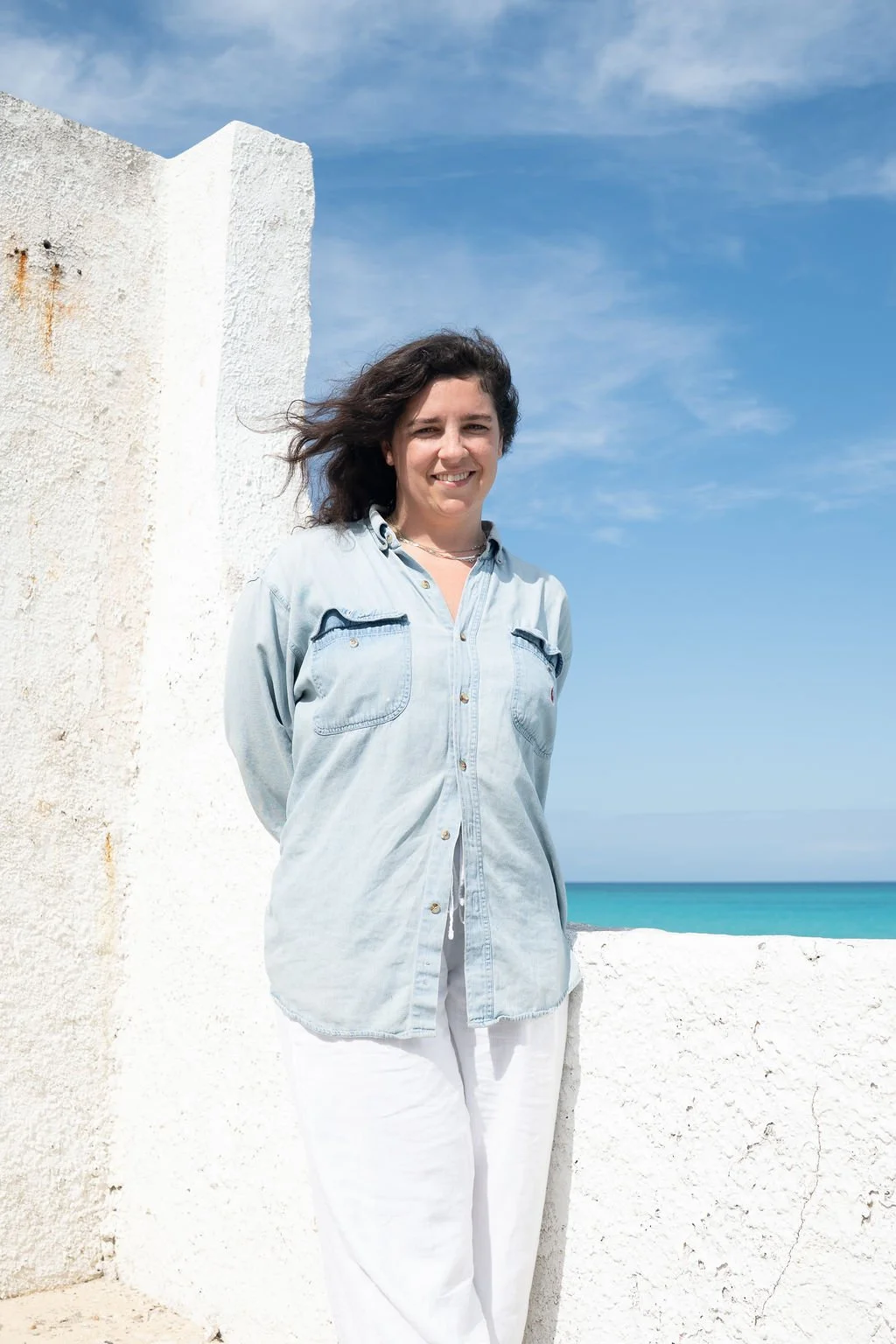
somatic therapy in portland, me
gentle, body-based therapy for a nervous system that’s been holding too much, for too long
Curious about somatic therapy?
You may be feeling…
Anxious in your body — chest, jaw, gut — even when your thoughts feel okay
Numb, foggy, or “not really here” — disconnected from your own body
Stuck in fight, flight, freeze, or fawn long after the threat is gone
Sensations and emotions that feel too big to be in, or too far away to feel
A nervous system that swings between revved-up and shut-down
Aching for closeness, and also bracing against it
A persistent sense that talking about it hasn’t been enough
You’ve been doing the thinking work. Somatic therapy invites your body in too.

what is somatic therapy?

Somatic therapy is a body-based approach to healing. Instead of working only with thoughts and stories, we work with sensation, breath, posture, movement, and the felt sense — what Peter Levine calls the “inner landscape” of the body. Because trauma and chronic stress live in the nervous system, not just memory, the body has to be part of the conversation.
In session, somatic therapy can look like tracking the small movements of a contracted shoulder, slowing down a swallow, noticing the urge to look toward the door, or staying with a wave of heat in your chest until it shifts on its own. We track sensation, breath, micro-movement, and impulse — what Pat Ogden, in Sensorimotor Psychotherapy, calls the language beneath the words.
It is gentler than people often expect. Babette Rothschild reminds us that the body remembers what the mind cannot bear, and that healing has to happen at a pace the nervous system can metabolize. Pushing past capacity isn’t bravery — it’s another version of overwhelm. So we titrate. Small doses. Lots of pauses. Plenty of resourcing.
Somatic therapy isn’t a replacement for meaning-making, relationship, or insight — it’s the missing layer underneath. As Linda Thai teaches, the body holds not just our own history, but the patterns of our families and lineages. Working somatically opens space for those patterns to soften, complete, and finally rest.
“Somatics is a canon of practice, thought, and teachings about understanding the body in its wholeness.”
Prentiss Hemphill
a whole-system approach to healing

what begins to shift
Somatic therapy isn’t about dismantling your life. It’s about letting your body finally come back online. Over time, in this work, clients begin to notice:
Less hypervigilance — more capacity to feel safe in the present
Emotions that feel workable rather than overwhelming or out of reach
Relationships that feel less charged, more chosen
A body that feels like yours again
Reduced shame and self-blame
Patterns that once felt automatic beginning to loosen
A quieter inner critic
Rather than forcing insight or re-processing everything at once, we work at the pace of your nervous system — building safety first, so that real change has somewhere to land.
Stress and trauma aren’t just psychological — they show up in cortisol rhythms, sleep, digestion, hormonal cycles, posture, and the autonomic nervous system’s ability to find rest. When your system has been on high alert for long enough, it stops fighting and starts shutting down. Somatic therapy works directly with that physiology so that change can take root in the body, not just the story.
In this work, we consider:
Your nervous system’s signature — what it does when it’s overwhelmed, and what it needs to settle
Body sensations, breath, posture, and movement patterns
Relational dynamics and attachment patterns
Overfunctioning, people-pleasing, and self-abandonment
Cycles of hyperactivation and collapse
When it’s helpful, I collaborate with medical providers and other practitioners. But most of the meaningful shifts in somatic work begin simply by changing how your nervous system relates to safety, contact, and rest.


therapy with bekah might be for you if:
You’ve done a lot of talking and reading. You’re ready to bring your body into the work.
You suspect your past is shaping your present in ways you can't quite see
Your body feels like a place you’re trying to manage, more than a place you live
You're ready to stop managing symptoms and get to what's underneath
You want to feel at home in your body and your life again
If you're looking for a structured protocol or a quick path to symptom relief, this may not be the right fit. The work here is slower, deeper, and designed to last.
frequently asked questions about somatic therapy in portland, me
What does a somatic therapy session actually look like?
Less dramatic than people imagine. We talk, but we also slow down enough to notice what your body is doing while we talk — where you brace, where you soften, where your breath changes. You might be invited to feel your feet, follow a sensation, gesture with a memory, or pause to let something settle. Nothing is forced; everything is offered.
How do I know if somatic therapy is right for me?
You may not have a diagnosis — and you don't need one to benefit from trauma therapy. If you feel chronically unsafe, struggle with shame or self-worth, find relationships painful or confusing, or feel disconnected from your body and emotions, these can all be signs of complex trauma. A trauma-informed therapist can help you understand what you're experiencing.
Is somatic therapy evidence-based?
Yes. A growing body of research supports somatic approaches for trauma and stress-related conditions. Methods such as Somatic Experiencing (SE), Sensorimotor Psychotherapy, and EMDR (which incorporates somatic elements) have been studied in clinical trials. Neuroscience research — including the work of Dr. Bessel van der Kolk and Dr. Peter Levine — has deepened our understanding of how the body holds and can heal from trauma, providing a strong scientific foundation for somatic therapy.
What conditions does somatic therapy help with?
Somatic therapy is effective for a wide range of concerns, including trauma and PTSD, anxiety, depression, chronic stress, grief, and the effects of adverse childhood experiences. It is also helpful for people who feel "stuck" in traditional talk therapy, those who experience physical symptoms with no clear medical cause (such as tension, fatigue, or digestive issues), and anyone wanting to deepen their mind-body connection and emotional resilience.
Do I have to retell painful stories in detail?
No. Babette Rothschild and others have shown that healing doesn’t require reliving — and that retelling can sometimes do more harm than good. In somatic work, we follow what’s happening in your body and nervous system right now. You share what feels supportive to share; the rest, your body can work through without a verbal recounting.
How is somatic therapy different from talk therapy?
Traditional talk therapy primarily works with thoughts, beliefs, and narrative. Somatic therapy expands on this by including the body as an active part of the healing process. While insights are valuable, many people find that trauma and chronic stress are held in the body as physical patterns — tension, numbness, or reactivity — that words alone don't resolve. Somatic therapy offers a pathway to healing through direct bodily experience, which can be especially powerful when the thinking mind feels overwhelmed or stuck.
Here’s how to start somatic therapy:
📱step one:
book a free consult
Book a free consultation call using this link, or click any of the "Book Now" buttons throughout the site. I'll gather a few details from you, and we'll schedule a time to connect — get to know each other, answer any questions you have, and see if somatic therapy with bekah is the right fit for you.
Curious about somatic therapy?
You don't have to keep bracing for what comes next. Somatic therapy offers a steady, grounded path toward restoring safety, connection, and trust in yourself — without having to relive everything to heal it. Schedule a free consultation for somatic therapy in Portland, ME.
🧘♂️step three:
practice = progress
Every time we meet, we’ll practice together — whether that’s mindfulness or a somatic skill, and we’ll gently approach whatever feeling and story you’re holding. We build a relationship, and you build a relationship with yourself. Practice happens in session, and at home.
📆 step two:
schedule the first session
If we decide we're a good fit, we'll schedule your first session right then and there. I'll send you an invite to the client portal, you'll fill out a few minutes' worth of forms, and that's it — you're in.